
The Paris 2024 Olympic Games kicked off with a breathtaking Opening Ceremony that redefined the traditional Olympic spectacle. On July 26, 2024, the City of Light transformed its iconic Seine River into a grand stage for a celebration that captivated the world. For the first time in Olympic history, athletes paraded not in a stadium, but on boats, gliding along a 6-kilometer route through the heart of Paris. This innovative approach set the tone for what would be an unforgettable display of French culture, Olympic spirit, and global unity.
As the sun began to set over the Parisian skyline, the ceremony unfolded with a series of artistic performances that blended music, light, and dance to showcase the rich tapestry of French heritage. The city’s most famous landmarks, including the Eiffel Tower, the Louvre, and the Trocadero, served as stunning backdrops, their illuminated facades adding to the magical atmosphere. Over 300,000 spectators lined the banks of the Seine, their excitement palpable as they witnessed this historic event firsthand.
The Olympic flame, carried by a relay of French sports legends and international stars, made its way along the river, building anticipation for the grand finale. As night fell, the cauldron, ingeniously designed to resemble a hot air balloon, was lit, officially marking the start of the Games. This ceremony not only celebrated the commencement of the world’s greatest sporting event but also showcased Paris as a three-time Olympic host, bridging its rich Olympic history from 1900 and 1924 to the present day.
A historic celebration along the Seine
The decision to host the Opening Ceremony along the Seine River was a bold departure from Olympic tradition, reflecting Paris’s innovative spirit and desire to make the Games accessible to as many people as possible. The 6-kilometer route began in the east of Paris and wound its way westward, passing by some of the city’s most iconic landmarks. This unique setting allowed for an unprecedented level of public engagement, with hundreds of thousands of spectators lining the riverbanks to witness the spectacle firsthand.
Athletes from over 200 nations participated in this aquatic parade, each delegation sailing on specially decorated boats. This novel approach not only provided a visually stunning procession but also symbolized the flow of athletes coming together from around the world. The river, which has been the lifeblood of Paris for centuries, became a unifying element, connecting the city’s past with its present and future.
As a magazine dedicated to the optimistic yet ironic Gen Z perspective, we couldn’t help but appreciate the poetic justice of athletes literally « floating » into the Olympics. It’s as if the organizers decided to combine the opening ceremony with a luxury cruise – talk about multitasking !

Artistic performances and cultural showcases
The artistic elements of the ceremony were a testament to France’s cultural prowess and creative ingenuity. A series of performances celebrated French history, art, and innovation, weaving together a narrative that spanned centuries. Light shows transformed the riverbanks and bridges into canvas, with projections bringing to life scenes from French literature, art, and scientific achievements.
Music played a central role in the ceremony, with a diverse lineup of performers that included international superstars and French icons. Lady Gaga, Celine Dion, and Aya Nakamura were among the headliners, each bringing their unique style to the celebration. Their performances were interspersed with traditional French music and modern interpretations of classical pieces, creating a sonic journey through France’s musical landscape.
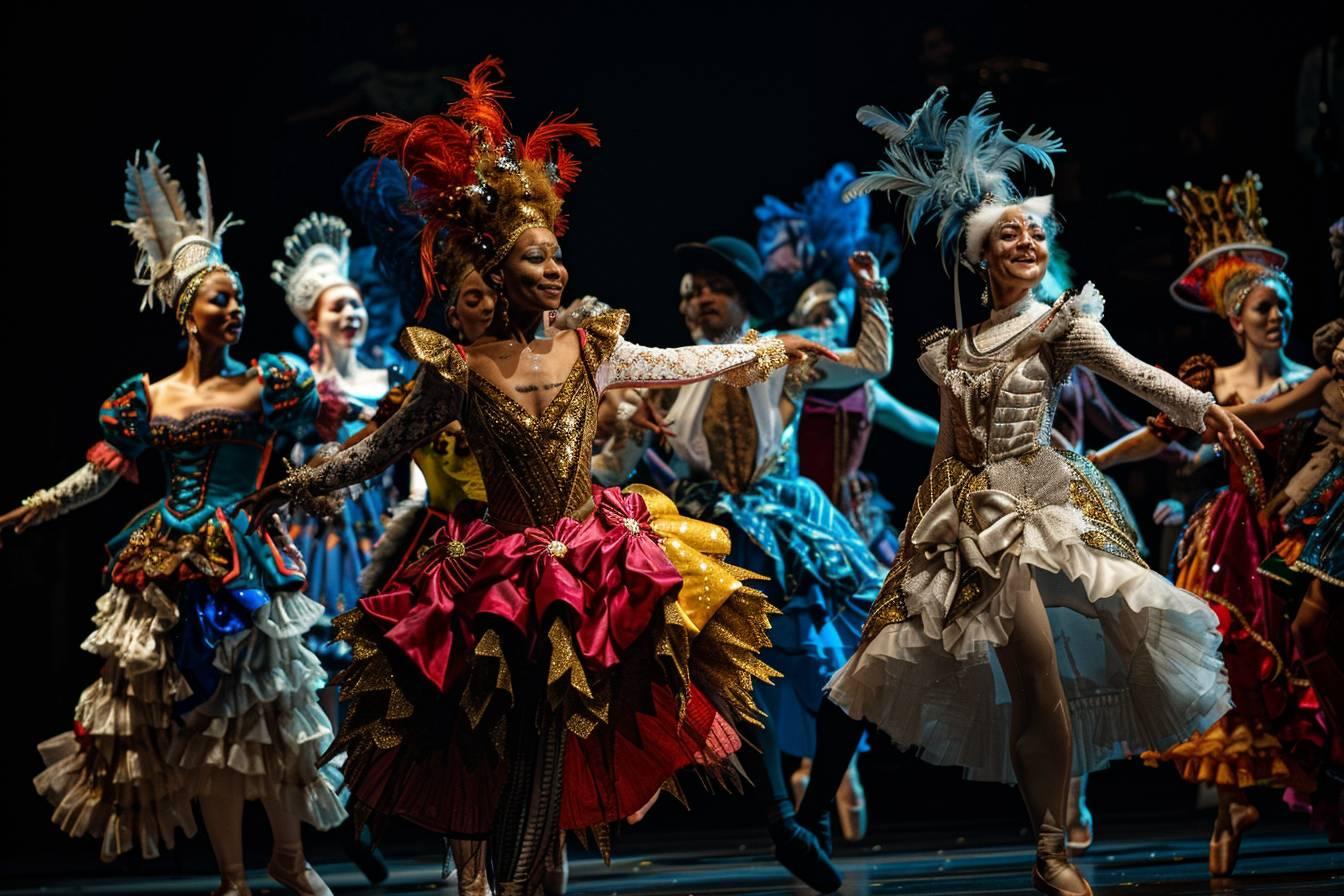
The ceremony featured 12 artistic sequences, each exploring themes central to French identity and values. These performances ranged from ballet to street dance, opera to rap, showcasing the diversity and dynamism of French culture. One particularly poignant sequence paid homage to Paris’s resilience in the face of historical challenges, culminating in a message of hope and unity for the future.
Iconic Parisian landmarks as backdrops
The use of Paris’s world-famous landmarks as backdrops for the Opening Ceremony transformed the entire city into an Olympic stage. The Eiffel Tower, perhaps the most recognizable symbol of Paris, played a central role. Its iron latticework was adorned with thousands of LED lights that pulsed and changed colors in sync with the music and performances, creating a mesmerizing visual spectacle visible from miles away.
The Louvre, home to some of the world’s most precious artworks, served as a canvas for elaborate projections that brought famous paintings to life. Spectators watched in awe as the Mona Lisa appeared to wink and wave from the museum’s facade, a playful nod to France’s artistic heritage.
The Trocadero, with its stunning views of the Eiffel Tower, became a natural amphitheater for some of the ceremony’s most dramatic performances. Acrobats and dancers utilized the space’s grand staircases and fountains, creating a multi-level performance that captivated both the in-person audience and viewers around the world.
Other landmarks that featured prominently included :
- Notre-Dame Cathedral, still under reconstruction, which was illuminated to symbolize resilience and rebirth
- The Arc de Triomphe, where a massive French flag was unfurled
- The Champs-Élysées, transformed into a vibrant promenade of lights and music
- The Pont Alexandre III, which served as a stage for a spectacular dance performance

The parade of nations
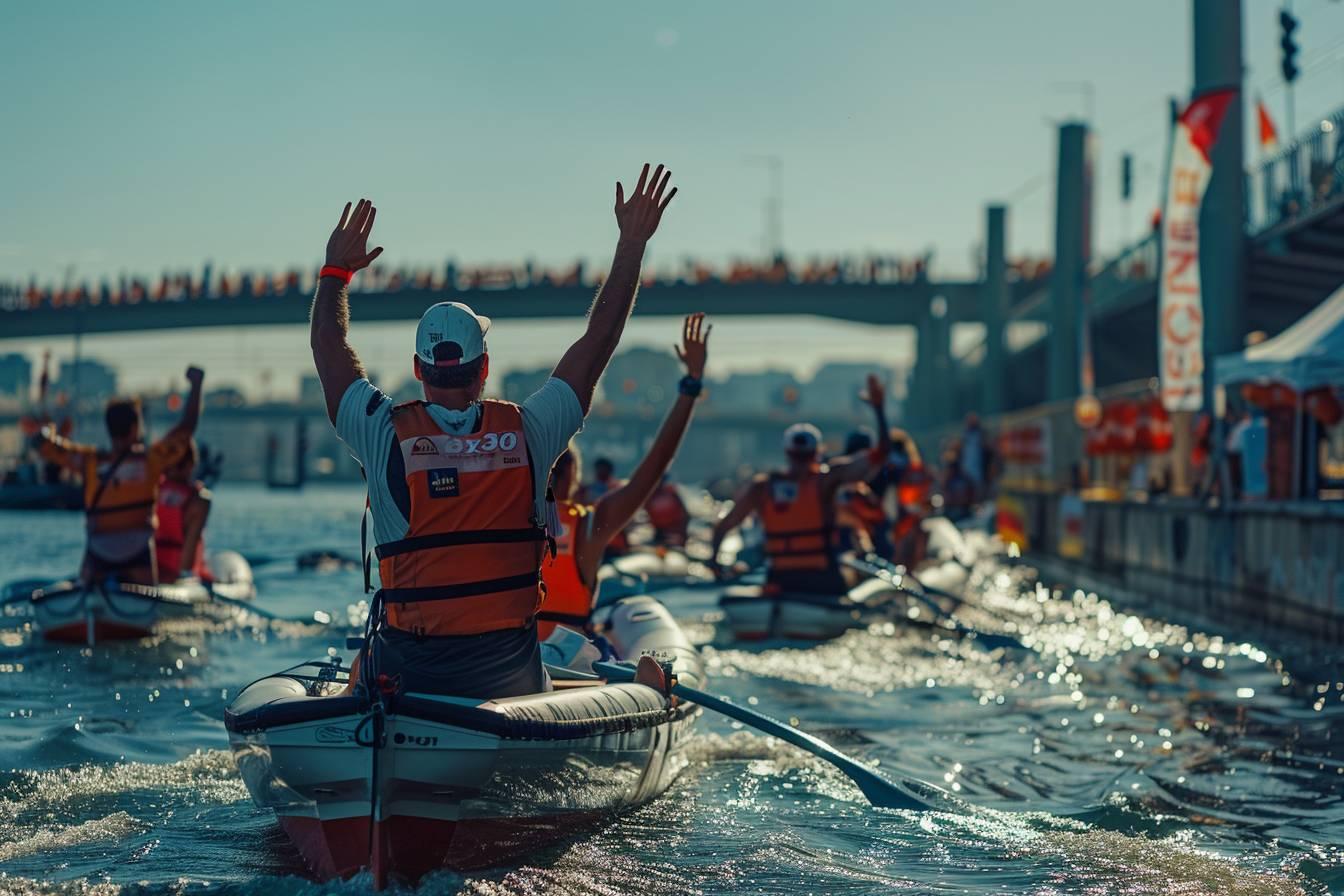
The parade of nations, a cornerstone of any Olympic opening ceremony, took on a new dimension as athletes from over 200 countries sailed down the Seine. Each delegation was assigned a boat decorated with their national colors and emblems, creating a floating mosaic of global diversity. The order of the procession followed Olympic tradition, with Greece leading the way and France, as the host nation, bringing up the rear.
Notable flag bearers included basketball legend LeBron James and tennis star Coco Gauff for Team USA, their presence adding star power to the already glittering event. As each boat passed key points along the route, cameras captured the athletes’ excitement and emotion, broadcasting their journey to billions of viewers worldwide.
The boat parade allowed for some unique moments that wouldn’t have been possible in a traditional stadium setting. Athletes were seen waving to spectators on bridges, exchanging greetings with other boats, and even engaging in impromptu dance-offs as they floated along. This informal atmosphere added a touch of spontaneity and joy to the proceedings, embodying the Olympic spirit of friendship and camaraderie.
Themes of liberty, equality, and fraternity
The Opening Ceremony was structured around 12 artistic sequences, each exploring aspects of France’s national motto : Liberté, Égalité, Fraternité (Liberty, Equality, Fraternity). These themes were woven throughout the event, serving as a guiding narrative that connected the various performances and visual displays.
The Liberty segment featured a powerful reenactment of the storming of the Bastille, symbolizing France’s revolutionary spirit. This was followed by a celebration of freedom of expression, showcasing French contributions to literature, philosophy, and the arts.
Equality was explored through a series of performances highlighting France’s commitment to human rights and social justice. This included a moving tribute to pioneering women in French history and a spectacular dance routine celebrating diversity and inclusion.
The Fraternity theme culminated in a grand finale that brought together performers from all previous segments in a symbol of unity. This sequence also incorporated a virtual choir of singers from around the world, their voices joining together in a rendition of « Ode to Joy, » emphasizing the global community fostered by the Olympic Games.

The Olympic flame and cauldron
The journey of the Olympic flame to its final destination was a highlight of the ceremony, steeped in symbolism and star power. The torch relay through Paris featured a who’s who of French sports legends and international celebrities. Soccer icon Zinedine Zidane and tennis champion Rafael Nadal were among the notable torch bearers, each carrying the flame for a portion of its route along the Seine.
The design of the Olympic cauldron was a testament to French innovation and whimsy. Shaped like a hot air balloon, it paid homage to France’s pioneering role in aviation history while also symbolizing the lofty ideals of the Olympic movement. As the final torch bearer approached, anticipation built among the spectators lining the riverbanks and the millions watching around the world.
In a dramatic moment, the cauldron was « launched » from a platform on the Seine, slowly rising above the river as it was ignited. The sight of the illuminated balloon-shaped cauldron ascending against the backdrop of the Parisian night sky was breathtaking, eliciting cheers from the crowd and providing a perfect climax to the ceremony.

Spectator experience and attendance
The decision to hold the Opening Ceremony along the Seine River created an unprecedented opportunity for public participation. Over 300,000 spectators lined the banks of the Seine, turning the heart of Paris into a massive open-air stadium. This approach democratized the Olympic experience, allowing many more people to witness the spectacle firsthand than a traditional stadium setting would have permitted.
The atmosphere along the river was electric, with crowds gathering hours before the ceremony’s start to secure prime viewing spots. Parisians and visitors alike mingled, sharing in the excitement and anticipation. The city had set up large screens at key points along the route, ensuring that even those further from the river could follow the proceedings in detail.
To enhance the spectator experience, organizers had arranged a series of pre-ceremony entertainments along the riverbanks, including :
- Street performers and musicians showcasing French culture
- Interactive art installations celebrating Olympic history
- Food stalls offering a taste of French cuisine from various regions
- Educational displays about the environmental and social initiatives of the Paris 2024 Games
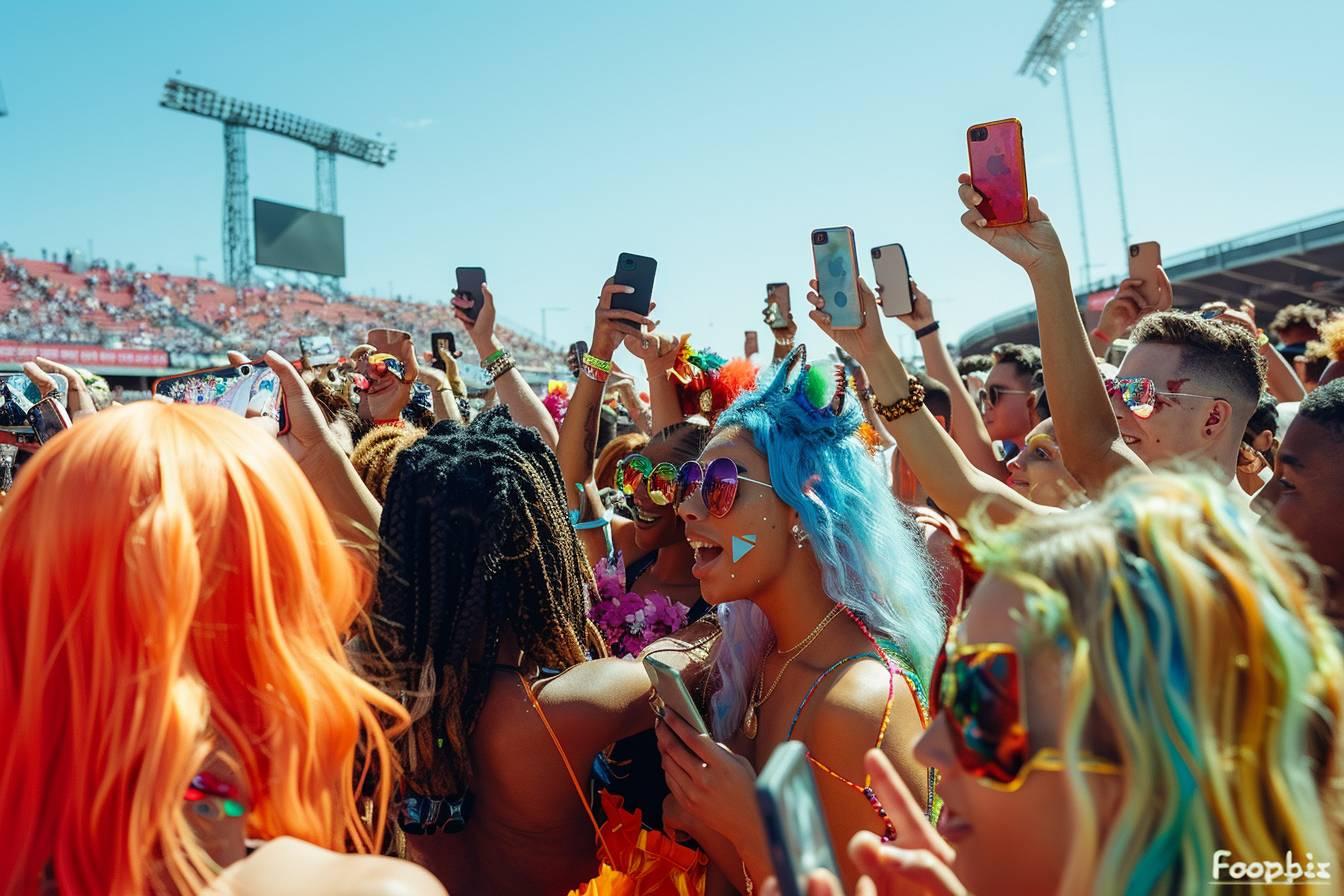
As a lifestyle magazine for the irony-loving Gen Z, we couldn’t help but chuckle at the thought of 300,000 people trying to get the perfect Instagram shot of the ceremony. It’s probably the first time in history that the athletes weren’t the ones competing – it was the spectators vying for the best selfie spots !
Security measures and logistics
Ensuring the safety and smooth running of such a large-scale, open-air event presented unique challenges. French authorities deployed an unprecedented security operation, with 45,000 police officers and security personnel stationed along the Seine and throughout Paris. This massive security presence was designed to safeguard not only the athletes and official guests but also the hundreds of thousands of spectators lining the riverbanks.
Key security measures included :
- Extensive surveillance systems, including drones and AI-powered cameras
- Strict access controls at designated entry points along the route
- Naval patrols on the Seine to ensure the safety of the athletes’ boats
- Anti-drone technology to prevent unauthorized aerial devices
The logistical challenges of hosting the ceremony outside a controlled stadium environment were considerable. Organizers had to coordinate the movements of thousands of athletes, performers, and technical crew along the 6-kilometer route. This required meticulous planning and the use of cutting-edge communication systems to ensure that every element of the ceremony unfolded seamlessly.

Weather challenges and historical context
In an unexpected turn of events, rain fell during part of the ceremony, marking the first time since the 1952 Helsinki Games that a Summer Olympics opening had experienced rainfall. This meteorological surprise added an element of drama and resilience to the proceedings, as performers, athletes, and spectators alike adapted to the sudden downpour.
The rain, while initially seen as a potential dampener, quickly became a part of the ceremony’s narrative. Performers incorporated umbrellas into their routines, creating impromptu choreographies that celebrated the unpredictability of nature. Athletes on the boats seemed to embrace the rain, with many seen laughing and enjoying the unique experience.
Historically, the weather has played a significant role in Olympic ceremonies. The 1952 Helsinki rain has long been remembered as a moment that tested the Olympic spirit. In Paris, the brief shower seemed to energize the crowd, with many spectators donning colorful raincoats that added an unexpected visual element to the sea of onlookers.
Organizers had prepared for various weather scenarios, quickly deploying protective measures for sensitive equipment and ensuring that the ceremony continued without major disruptions. The resilience shown in the face of this meteorological challenge was seen by many as emblematic of the Olympic spirit itself – adaptable, enduring, and always moving forward.

Global broadcast and viewing experience
The Paris 2024 Opening Ceremony was a global media event, broadcast to billions of viewers around the world. In the United States, NBC provided comprehensive coverage, beginning their broadcast at 12 pm ET to capture the early excitement building in Paris. The network employed a mix of aerial shots from helicopters and drones, along with strategically placed cameras along the Seine, to give viewers a immersive experience of the river-based ceremony.
International broadcasters faced the challenge of capturing the expansive nature of the event, which stretched over 6 kilometers. Many employed innovative technologies to enhance the viewing experience :
- 360-degree cameras allowed viewers to control their perspective of the ceremony
- Augmented reality overlays provided real-time information about landmarks and performances
- Split-screen technology showed multiple aspects of the ceremony simultaneously
- Interactive features allowed viewers to access additional content and behind-the-scenes footage
Social media platforms played a significant role in extending the reach of the ceremony. Live streaming options on platforms like YouTube and Facebook allowed viewers without access to traditional broadcast channels to participate in the event. Twitter buzzed with real-time reactions, creating a global conversation around the ceremony’s most memorable moments.

Paris as a three-time Olympic host
The 2024 Games mark Paris’s third time hosting the Olympics, following the 1900 and 1924 editions. This milestone puts Paris in an elite group of cities that have hosted the Summer Olympics three times, alongside London. Each of Paris’s Olympic Games has reflected the era in which it took place, showcasing the city’s evolution over more than a century.
The 1900 Paris Olympics were part of the World’s Fair and lasted over five months, a far cry from the more structured format of modern Games. These Olympics were notable for being the first to include women athletes, though in limited numbers.
The 1924 Games, immortalized in the film « Chariots of Fire, » saw significant advancements in Olympic organization and athletic performance. These Games introduced the Olympic motto « Citius, Altius, Fortius » (Faster, Higher, Stronger) and the concept of the Olympic Village.
The 2024 Olympics build on this rich history while pushing the boundaries of what an Olympic Games can be. The river-based Opening Ceremony is just one example of how Paris is reimagining the Olympic experience for the 21st century, blending tradition with innovation.

Olympic sports and events overview
The Paris 2024 Olympic Games feature a diverse program of 32 sports encompassing 329 events, reflecting both traditional Olympic disciplines and exciting new additions. This balance of old and new showcases the Games’ ability to evolve while honoring its rich heritage.
One of the most anticipated additions to the Olympic program is breaking, commonly known as breakdancing. This urban dance sport makes its Olympic debut in Paris, bringing a fresh, youthful energy to the Games. The inclusion of breaking is part of a broader effort to make the Olympics more relevant to younger audiences and to reflect the evolving landscape of global sports culture.
Other notable aspects of the Paris 2024 sports program include :
- The return of baseball and softball, which were absent from the 2020 Tokyo Games
- The continuation of skateboarding, sport climbing, and surfing, which debuted in Tokyo
- New mixed-gender team events in several sports, promoting gender equality
- The introduction of kiteboarding as a sailing discipline
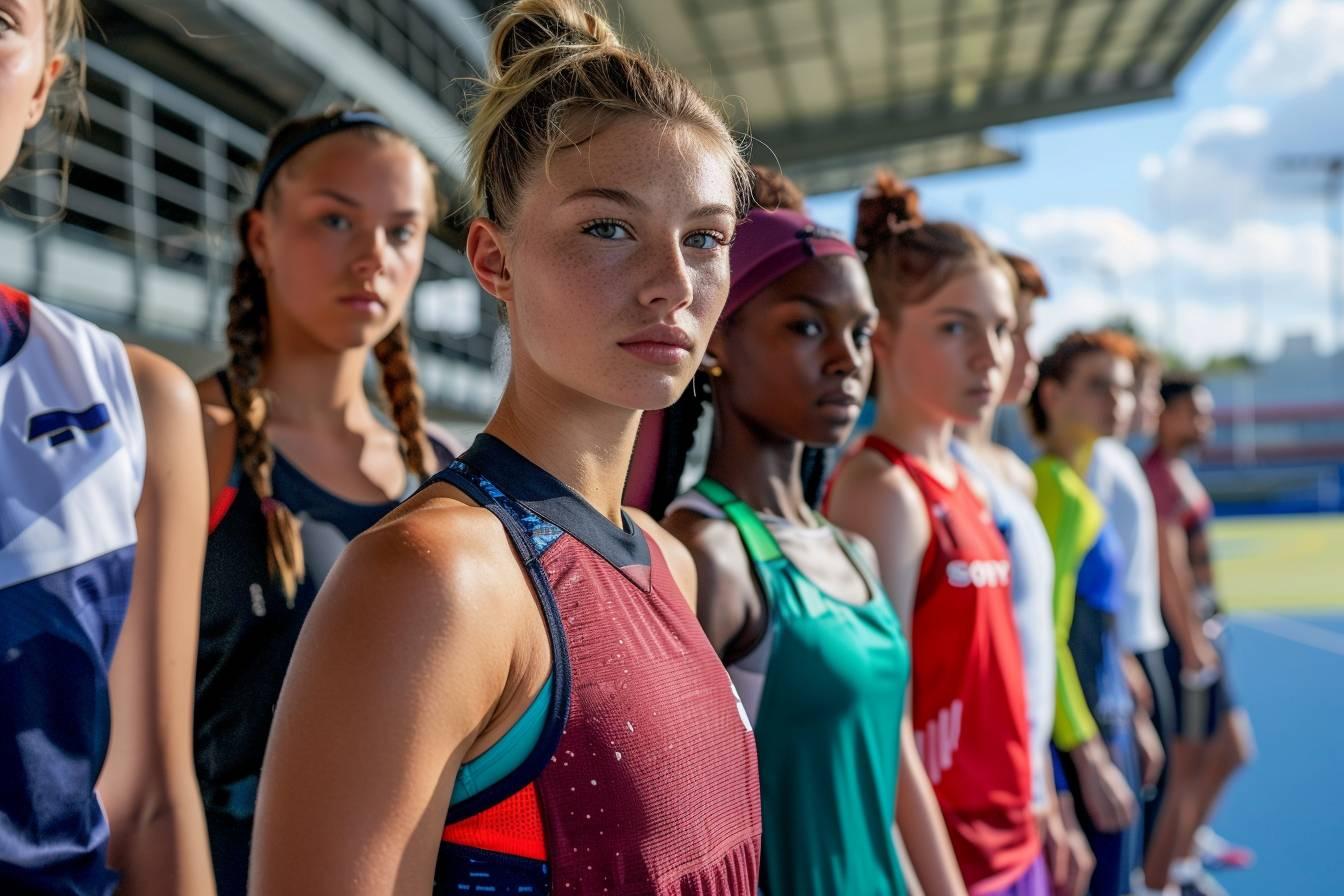
The program aims to achievegender parity, with an equal number of male and female athletes participating across all sports. This commitment to equality is reflected not only in the athlete quotas but also in the scheduling of events, with women’s finals given prominent time slots throughout the Games.
Technological innovations in the ceremony
The Paris 2024 Opening Ceremony pushed the boundaries of technological innovation, integrating cutting-edge systems to enhance both the in-person and broadcast experiences. One of the most striking innovations was the use of augmented reality (AR) overlays for television viewers, allowing them to see additional digital elements superimposed on the real-world ceremony.
Drone technology played a significant role in the ceremony’s visual spectacle. A choreographed swarm of over 1,000 drones created stunning aerial displays, forming three-dimensional Olympic rings and other iconic symbols above the Seine. These illuminated drones were programmed to move in perfect synchronization, creating a mesmerizing light show that complemented the ground-based performances.
The ceremony also showcased France’s advancements in holographic technology. Life-sized holograms of past Olympic champions appeared alongside current athletes, symbolizing the continuity of the Olympic spirit across generations. This blend of the physical and digital realms created a truly immersive experience for spectators and viewers alike.
As a nod to our tech-savvy readership, we can’t help but wonder if the holographic athletes were available for selfies. Imagine the Instagram captions : « Just hanging with Marie-José Pérec’s hologram, NBD. » #OlympicGoals, anyone ?

Sustainability efforts in the opening ceremony
In line with the Paris 2024 Games’ commitment to sustainability, the Opening Ceremony incorporated numerous eco-friendly initiatives. The organizers aimed to make this the most sustainable Olympic ceremony to date, setting a new standard for large-scale event production.
Key sustainability measures included :
- Use of 100% renewable energy to power the ceremony’s lighting and sound systems
- Costumes and set pieces made from recycled and biodegradable materials
- A fleet of electric boats for the athletes’ parade, minimizing water pollution
- Digital tickets and programs to reduce paper waste
The ceremony also served as a platform to raise awareness about environmental issues. One of the artistic sequences focused on climate change, featuring a powerful visual representation of rising sea levels and the importance of global action. This segment culminated in a pledge by the Olympic movement to reduce its carbon footprint and promote sustainable practices in sport.
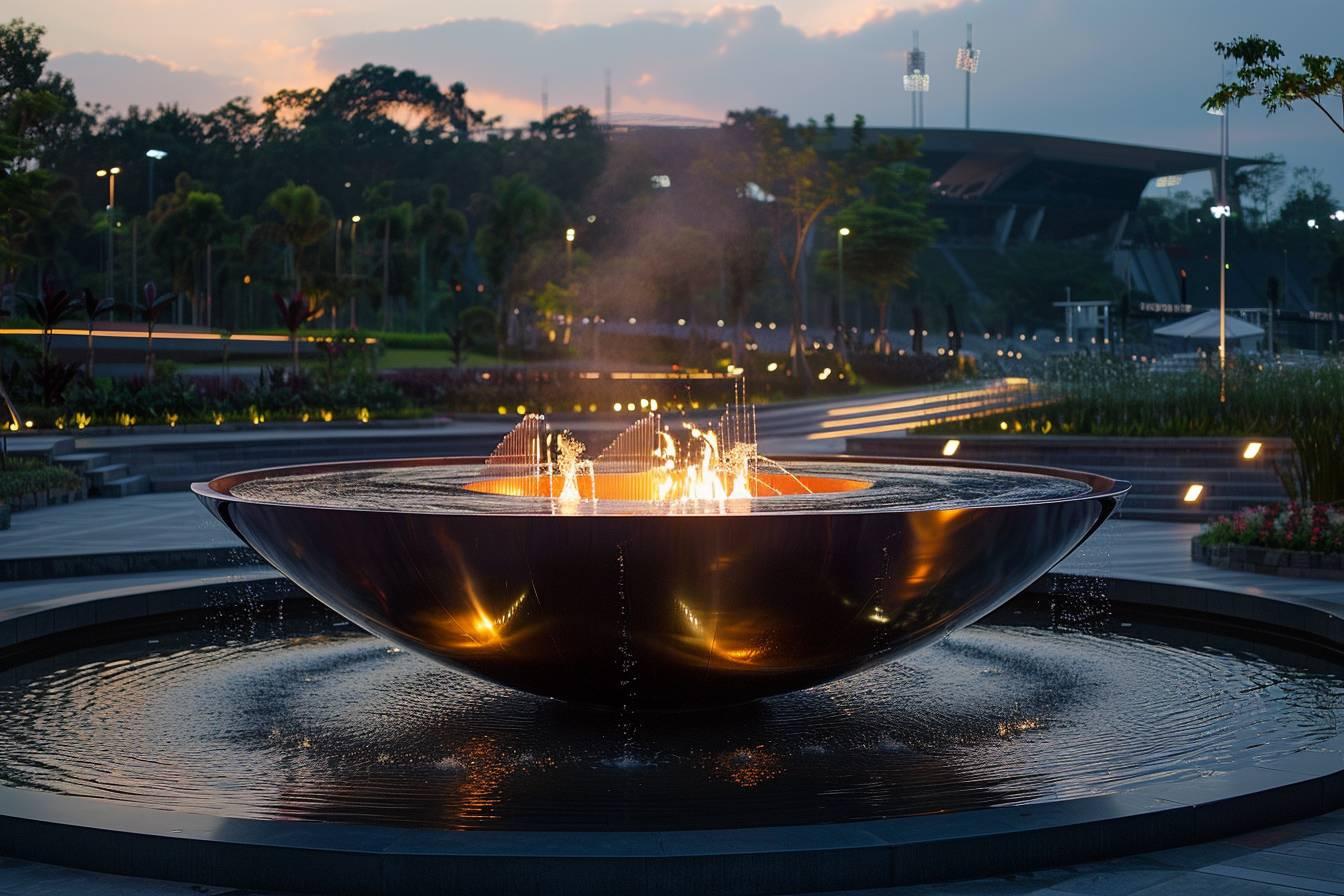
The Olympic cauldron itself was designed with sustainability in mind. Its innovative « virtual flame » technology used a combination of light and water vapor to create the illusion of fire, eliminating the need for fossil fuels to keep the flame burning throughout the Games.
International reactions and social media response
The Paris 2024 Opening Ceremony generated an overwhelming response on social media platforms worldwide. Twitter, Instagram, and TikTok were flooded with reactions, memes, and behind-the-scenes content from athletes and spectators alike. The official hashtag #Paris2024OpeningCeremony trended globally for hours, with millions of posts sharing moments from the event.
Celebrity reactions added to the buzz, with international stars praising the ceremony’s creativity and scale. French football legend Kylian Mbappé’s tweet about the « pride of seeing Paris shine on the world stage » was shared hundreds of thousands of times. Similarly, American gymnast Simone Biles’ Instagram story showcasing the athletes’ boat parade garnered millions of views.
International press coverage was largely positive, with many outlets praising the ceremony’s innovative approach and stunning visuals. The New York Times called it « a love letter to Paris, » while the BBC described it as « a ceremony that redefined Olympic spectacle. » Some publications did note the logistical challenges of the river-based event but generally agreed that the end result was spectacular.
The ceremony also sparked discussions about the future of Olympic celebrations. Many commentators and sports analysts debated whether this new format would influence future host cities to move away from traditional stadium-based ceremonies.
As we wrap up our coverage of this groundbreaking event, we can’t help but feel a mix of awe and amusement. Leave it to the French to turn an Olympic ceremony into the world’s fanciest river parade. It’s like they looked at Venice and said, « Hold my champagne. » But jokes aside, Paris 2024 has set a new bar for Olympic openings, blending tradition, innovation, and that unmistakable French flair. As we look forward to the Games themselves, one thing’s for sure – if the opening ceremony is any indication, we’re in for two weeks of spectacular, sustainable, and slightly surreal Olympic action. Vive les Jeux Olympiques !
| Category | Details |
|---|---|
| Date | July 26, 2024 |
| Location | Seine River, Paris |
| Participating Nations | Over 200 |
| Spectators | Approximately 300,000 |
| Key Performers | Lady Gaga, Celine Dion, Aya Nakamura |
| Notable Features | Boat parade, landmarks as backdrops, sustainability focus |

